Sorting Constructed Languages Into the Proto-European Language Tree
Dothraki
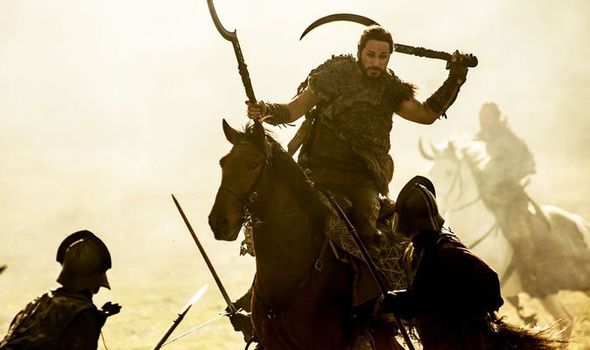
Source: https://www.express.co.uk/entertainment/books/1151748/Game-of-Thrones-S8-backlash-Where-did-the-Dothraki-go-Daenerys-George-RR-Martin-books
Used by the Dothraki people
Cases:
Nominative, Accusative, Genitive, Ablative, Allative
Allative: expresses motion to or toward.
Not many languages use the allative case, one of the few surviving is Lithuanian,
which is thought to be the oldest surviving Indo-European-Language. Lithuanian
is descended from the Slavic branch of Balto-Slavic.
Dothraki
is placed as descended from the Baltic branch of
Balto-Slavic language because of the presence of allative case.
In Lithuanian, the allative suffix is -op. The allative is rarely used un the
modern Lithuanian language, but can be found in certain old expressions:
- išėjo Dievop: "gone to God" (died)
- Elniop!: “to hell!”
In Dothraki, the allative suffix is “at”
- Eme: Smile
- Emat: To smile at
Basic word order:
Subject Verb Object
Noun adjective
Verbs: Stative, dynamic, causative
Noun classes:
inanimate and animate
Verbs conjugated for meaning:
For example: first person present tense conjugation, or past tense conjugation
Influence of High Valyrian on Dothraki Vocabulary:
Zaldrīzes is the Valyrian word for dragon. The Targaryans are heavily connected to dragons: they raise them, ride them, and the dragon is their sigil.
The Dothraki word for ‘dragon’ is 'zhavvorsa'. Conversely to the Targaryans,
the Dothraki have little to no interaction with dragons, so it seems at though
they have borrowed this vocabulary. In reference to the information regarding the High Valyrian word for dragon. It would make sense for
the Dothraki word for dragon to be derived from the Valyrian language because
Dothraki do not have dragons.
Interesting facts!
- No “to be” verb
- No word for “thank you” as the Dothraki don’t engage in trade
- There are over 8 words for the word horse
Dothraki
Nominative, Accusative, Genitive, Ablative, Allative
Allative: expresses motion to or toward.
In Lithuanian, the allative suffix is -op. The allative is rarely used un the modern Lithuanian language, but can be found in certain old expressions:
- išėjo Dievop: "gone to God" (died)
- Elniop!: “to hell!”
In Dothraki, the allative suffix is “at”
- Eme: Smile
- Emat: To smile at
Basic word order:
Subject Verb Object
Noun adjective
Verbs: Stative, dynamic, causative
Noun classes: inanimate and animate
Verbs conjugated for meaning: For example: first person present tense conjugation, or past tense conjugation
Influence of High Valyrian on Dothraki Vocabulary:
Zaldrīzes is the Valyrian word for dragon. The Targaryans are heavily connected to dragons: they raise them, ride them, and the dragon is their sigil.
The Dothraki word for ‘dragon’ is 'zhavvorsa'. Conversely to the Targaryans, the Dothraki have little to no interaction with dragons, so it seems at though they have borrowed this vocabulary. In reference to the information regarding the High Valyrian word for dragon. It would make sense for the Dothraki word for dragon to be derived from the Valyrian language because Dothraki do not have dragons.
Interesting facts!
- No “to be” verb
- No word for “thank you” as the Dothraki don’t engage in trade
- There are over 8 words for the word horse